
How Much Is a Digital Life Worth?
- Language
- Русский
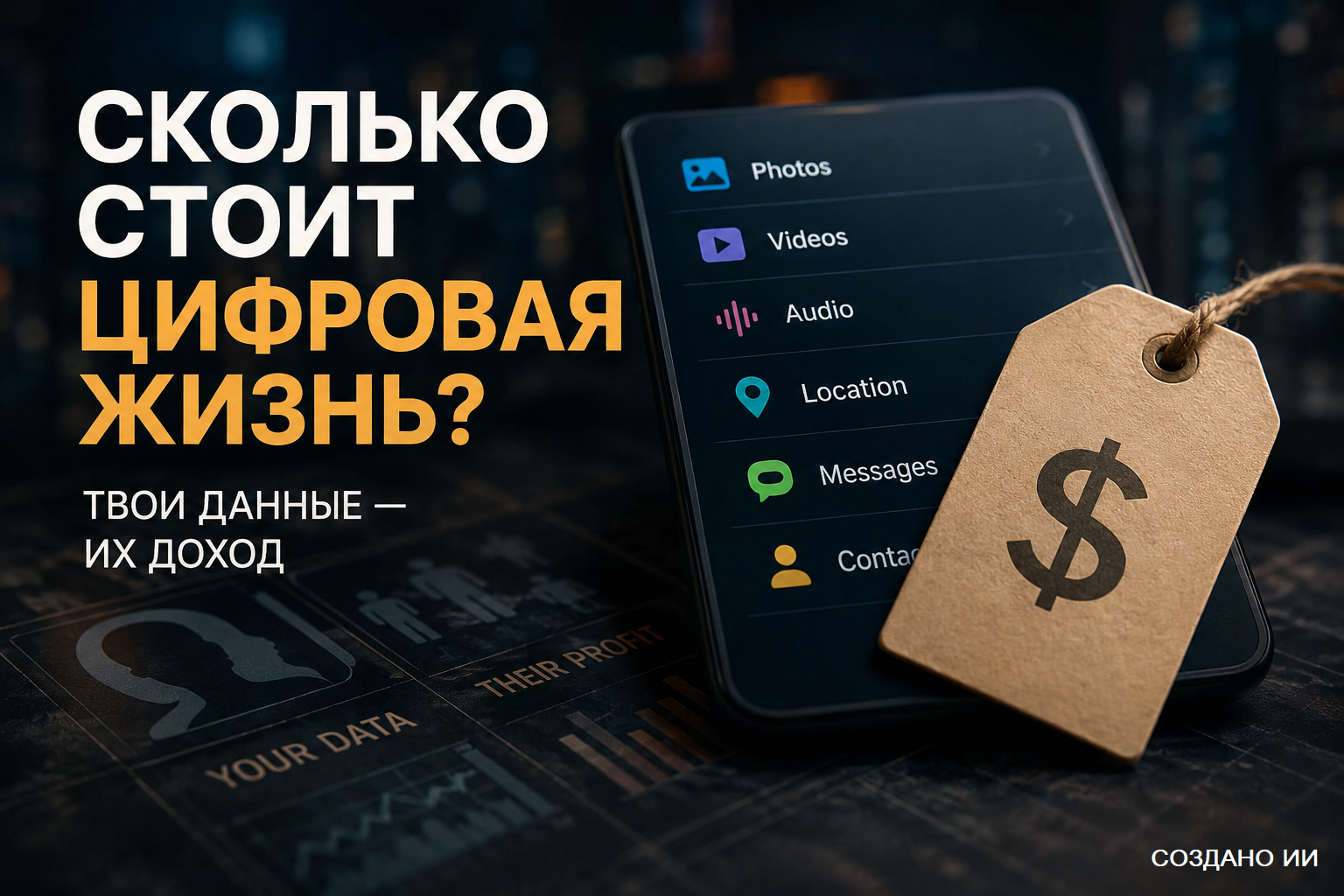
Personal data is gradually becoming a source of income and a distinct asset class with its own market value. Transactions in which individuals are directly paid for their data are beginning to emerge.
This market is developing globally, but its most active growth is taking place in the United States, where demand from AI companies is concentrated. Importantly, this is not about anonymised datasets, but rather real-life data that directly influences the quality of AI models.
For example:
- Kled AI pays for photos and videos of everyday life. Users can earn approximately $50 over a couple of weeks, while individual videos may generate $10–15.
- Silencio pays users for recording ambient noise, with earnings exceeding $100 per month.
- Neon Mobile reportedly paid around $0.50 per minute of recorded conversations. One user earned approximately $200 from 11 hours of calls. In some cases, earnings can reach hundreds or even thousands of dollars.
At the same time, a much larger data licensing market is emerging. Reddit generates approximately $60 million annually from providing access to its data. Shutterstock enters into deals worth tens of millions of dollars, Wiley receives around $23 million for its scientific archives, and News Corp generates approximately $50 million annually.
The majority of economic value is still concentrated in platforms that generate revenue from their users' data, while the users themselves receive virtually no share of that income.
Personal data has been monetised before, but primarily by the platforms that collected it. A new model is now emerging in which companies begin purchasing data directly from individuals.
On the one hand, this creates a new role for individuals as data providers and opens up an additional source of income. On the other hand, important questions remain about how to value such data, how to distribute revenue between platforms and users, and how to manage security and privacy risks.
It will be interesting to see how this model could develop in Kazakhstan, whether people are willing to sell their personal data and at what price, and whether this will become a new source of income or the beginning of a more complex discussion about data ownership and control.